
VICTORIA, B.C. – The province is laying out its 10-year vision to help people struggling with mental health and addiction.
A Pathway to Hope is “a roadmap for making mental health and addictions care better for people in British Columbia,” the province says.
“A Pathway to Hope lays out our plan to help people now and improve the health and wellness of all British Columbians in the long term,” Premier John Horgan said.
“We’re taking a province-wide approach to build a system of care where services are always within reach and people have the supports and opportunities they need.”
The province says the program “identifies the priority actions it will take over the next three years to help people immediately and reduce demand on services down the road.”
As well, the province says the focus is on supporting the wellness of children, youth and young adults, supporting Indigenous-led solutions and improving access and quality of care.
The road map will also address the overdose crisis “by starting to establish improved systems of addictions care,” the province says.
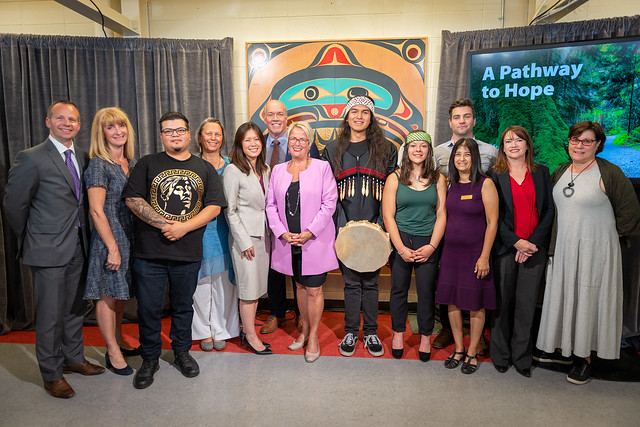
The road map was launched with mental health and addictions advocates at Mountainside Secondary school in North Vancouver.
Between 2013 and 2015, the number of B.C. students reporting depression rose by 50 percent and the number reporting anxiety increased by over 135 percent.
Further, 17 percent of students reported that they had seriously considered suicide in the last year.
The province says that the three-year plan includes:
- Expanding sliding scale and no-cost community counselling services with $10 million in grants to non-profits.
- Establishing multi-disciplinary teams in five school districts over the next two years to bring wraparound services and supports directly to young people where they feel safe and comfortable, so families and caregivers do not have to navigate a system on their own.
- Increasing the number of Foundry youth centres from 11 to 19, so that young people in more communities can access these “one-stop shops” for health and wellness resources, services and supports.
- Expanding First Nations-run treatment centres.
- Establishing two new intensive day programs for children and youth with severe mental health and/or substance use challenges transitioning out of hospital care, and 20 new family care home spaces with clinical care as an alternative to hospitalization.
- Expanding early intervention services and programs in child development centres and community-based organizations.
- And launching new professional development tools and educational resources to support service providers and caregivers of children under six years of age.